
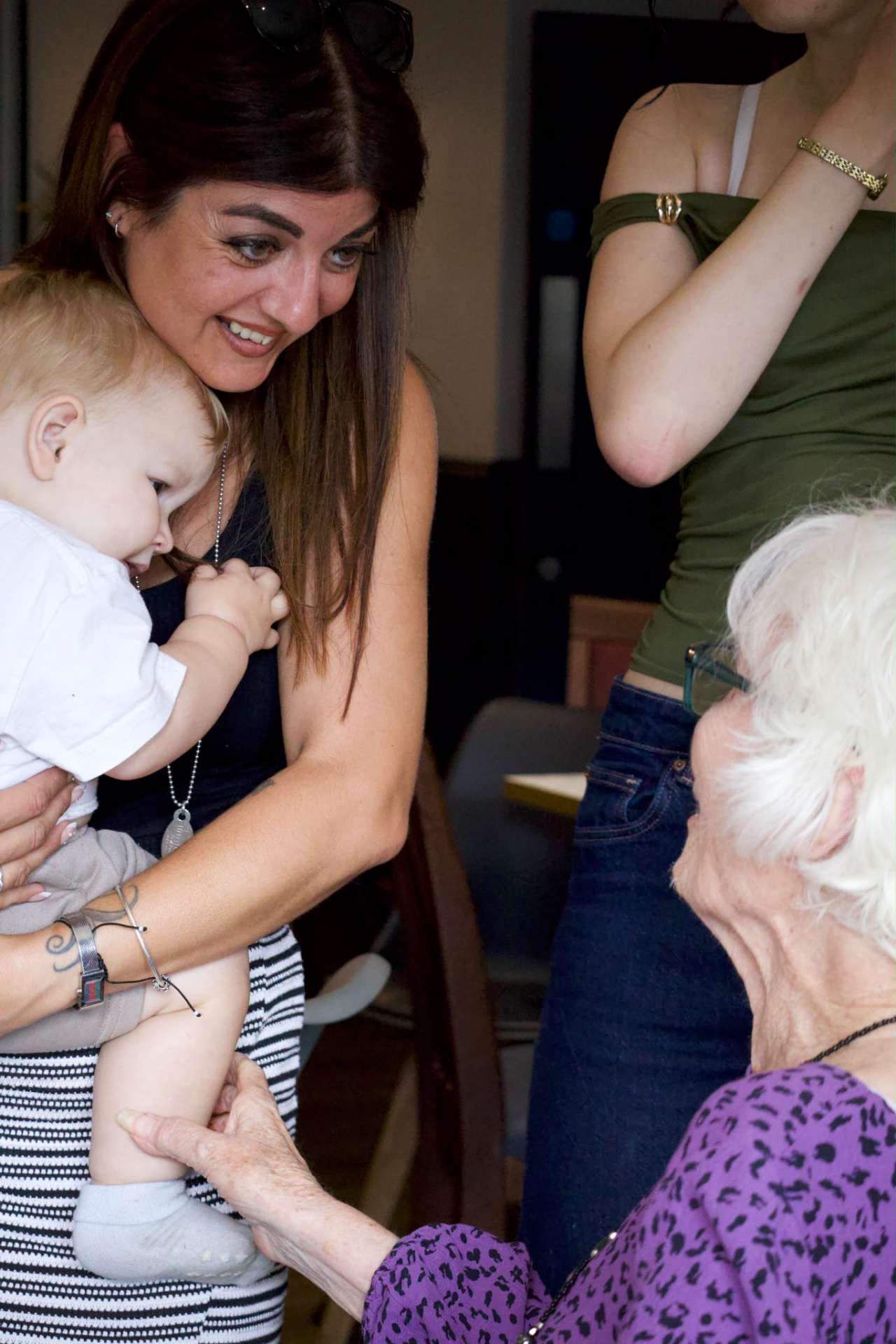
East Coast Care was not created from a business plan alone. It grew from personal experience of caring for people we loved, professional experience within health and social care, and a determination to build the kind of organisation we would trust with our own families.
Care has always been personal to us
Tim cared for his grandmother for years. She meant the world to him, and that relationship gave him a deep understanding of the trust involved when a family relies upon somebody else to provide care.
While East Coast Care was being established, Leanne was caring for a close family member who was enormously important to her. He died during the company’s first year, but he had followed its progress with pride and regularly spoke about what she was trying to achieve. Wanting the company to succeed for him became part of the motivation to continue.
These experiences are why we never want care to become a list of tasks. Every client has relationships, routines, humour, fears, preferences and a history that existed long before support was needed.
Professional experience shaped the culture
Leanne is a registered Operating Department Practitioner and has worked within NHS care. She has seen extraordinary skill, kindness and teamwork, but she has also seen what can happen when communication fails, hierarchy becomes more important than evidence or staff do not feel safe to challenge poor practice.
She has personal experience of whistleblowing and of being treated badly after raising concerns. The effect was both professional and personal. That experience created a firm commitment: nobody working for East Coast Care should be made to feel that speaking up has made them the problem.
The values we built into East Coast Care
Choice and control – care should be shaped with the person, not simply delivered to them.
Dignity and respect – every interaction should recognise the individual’s adulthood, privacy and identity.
Independence – support should enable people to do what they can rather than unnecessarily taking over.
Continuity and belonging – familiar relationships help people feel secure, understood and at home.
Safety with freedom – risk should be managed proportionately without removing a person’s life and choices.
Quality before profit – the right outcome for the client may not always be the outcome that benefits our business.
Openness and accountability – mistakes and concerns should be examined honestly, acted upon and learned from.
A culture where people can speak up
Care and support workers are expected to report when something does not feel right, including concerns about colleagues or management decisions. They have several routes: their manager, the Registered Manager, Leanne as Nominated Individual, and our external safeguarding consultant. Staff are also given information about outside agencies if they believe internal action has not been sufficient.
Confidentiality is handled sensitively, although nobody can promise secrecy where information indicates that a person may be at risk. What we can promise is that a concern will be treated seriously and the person raising it will be treated with respect.
Learning must lead to visible change
Healthcare organisations often say that lessons will be learned after something goes wrong. Leanne’s experience made her determined that this phrase must mean more than an apology or a policy update.
East Coast Care uses a Lessons Learned Register to record what happened, what was learned, what process changed and who is responsible. We then review whether the change has actually worked. An action is not complete merely because a document has been updated.
We seek external safeguarding advice when needed, including when reviewing our own mistakes. Being open about an error can feel uncomfortable, but defensiveness protects the organisation’s feelings rather than the client.
What our values mean in practice
Our values influence recruitment, induction, probation, training, supervision, competency assessments, spot checks, care planning, rotas, safeguarding and how we respond to feedback. We recruit people whose values align with the organisation and continue assessing their practice throughout employment.
We prioritise continuity, person-centred care and communication with families. We advocate when clients cannot easily advocate for themselves, and we support relatives to ask effective questions. We work with health professionals, social workers and safeguarding teams because complex care is safest when information is shared and people work collaboratively.
We do not claim to be perfect
No honest care provider can promise that mistakes, disagreements or complex situations will never occur. Our promise is that we will listen, respond, remain transparent and keep improving.
East Coast Care exists to provide the care we would want for our own families – care that protects the person’s voice, treats staff with respect and never stops learning.
That is why we opened the company, why these values matter to us and why they will continue to guide every decision we make.