

ReSPECT: Making Sure the Person Understands
What families should know about emergency-care recommendations and accessible conversations ReSPECT stands for Recommended Summary Plan for Emergency Care and Treatment. It creates personalised clinical recommendations for use in a future emergency when a person may...

Dementia Care: Seeing the Person Behind the Diagnosis
Dementia affects people in different ways. Changes may involve memory, language, judgement, mood, perception, mobility or the ability to complete familiar tasks. These changes can be frightening for the individual and difficult for relatives to understand, but a...

Why We Founded East Coast Care
East Coast Care was not created from a business plan alone. It grew from personal experience of caring for people we loved, professional experience within health and social care, and a determination to build the kind of organisation we would trust with our own...
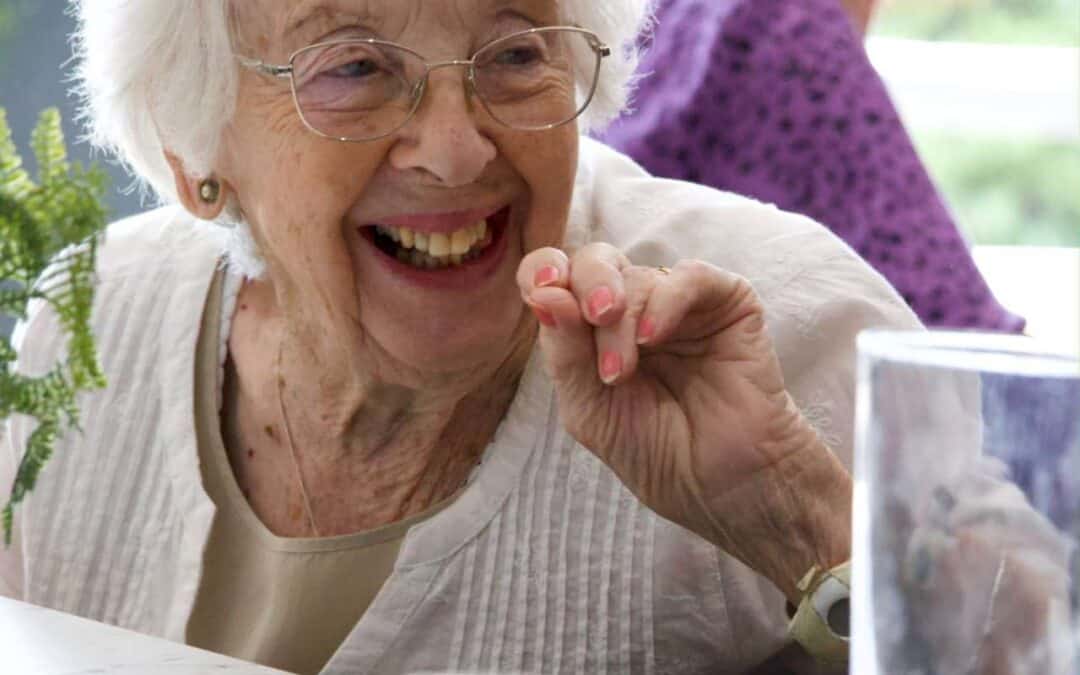
Safeguarding is Everyone’s Responsibility: How East Coast Care Protects, Listens and Learns
Safeguarding is not simply a policy or training requirement at East Coast Care. It is an active, everyday responsibility shared by every member of our team. The people we support place enormous trust in us. Our care and support workers enter clients’ homes, become...

Dignity in Care: The Small Things That Make a Lasting Difference
Dignity is at the heart of good care. It means recognising that every person has their own identity, history, preferences, relationships and way of living. At East Coast Care, we understand that entering somebody’s home to provide support is a privilege. Our role is...
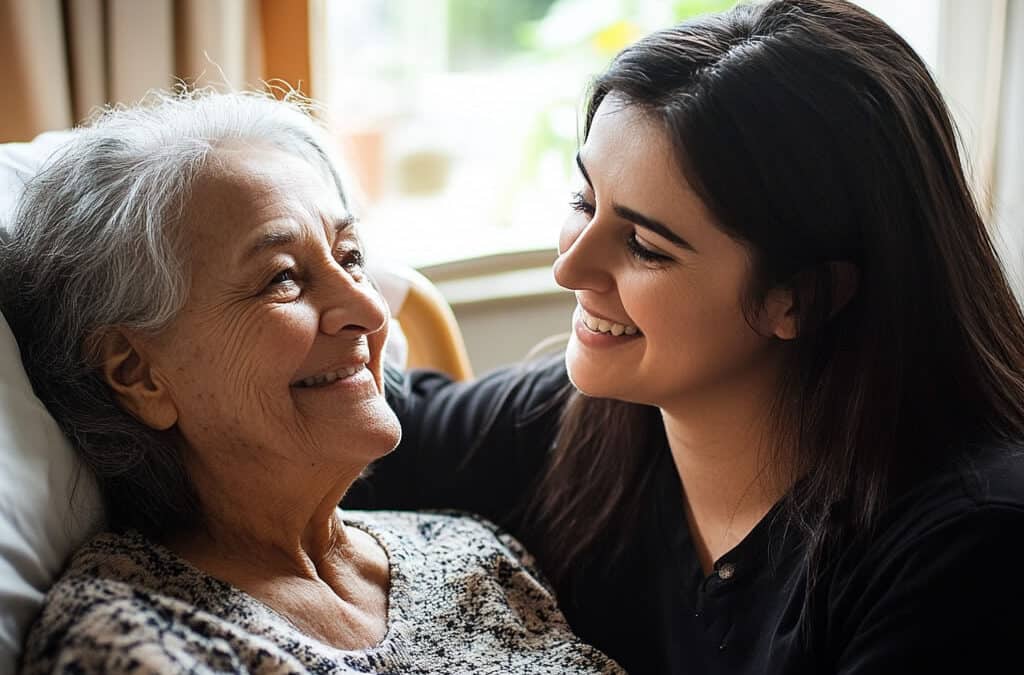
The Correlation Between Good Standards of Domiciliary Care and Positive Staff Wellbeing
Domiciliary care, which provides vital support to individuals in their own homes, is a cornerstone of the UK’s health and social care system. Delivering high standards of care not only benefits the service users but also significantly impacts the wellbeing of care...
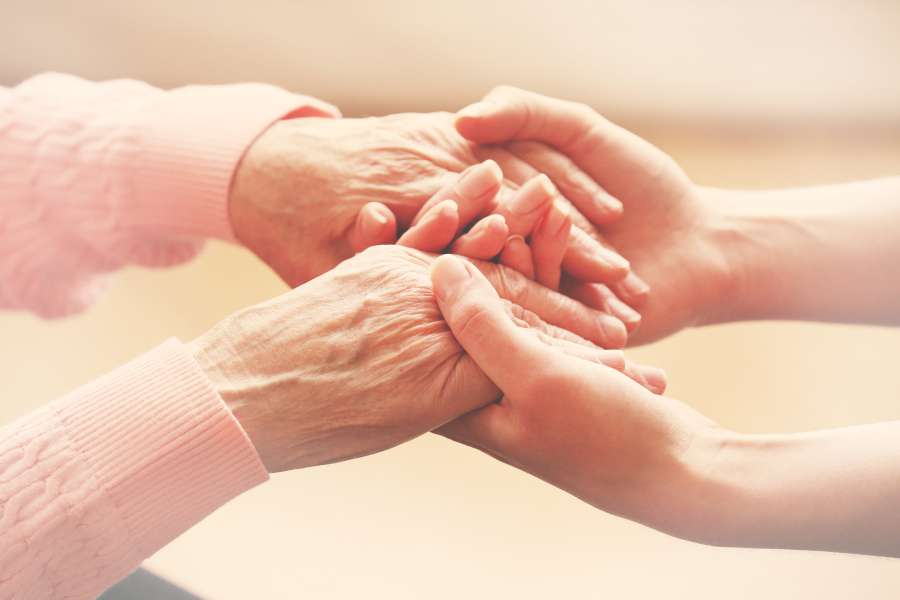
How does loneliness impact the elderly and why domiciliary care can play a crucial role in mitigating this issue.
Loneliness among the elderly is a growing concern worldwide. It is estimated that over 50% of seniors aged 75 and above live alone, and many of them struggle with feelings of isolation and loneliness. Loneliness can have a significant impact on an elderly person's...

The importance of nutrition and hydration in the home care setting
Introduction As people age, their bodies undergo changes that can affect their nutritional and hydration needs. In the home care setting, it is important to address these needs to ensure that elderly individuals maintain good health and quality of life. In this blog,...

The importance of person-centred care
Introduction: Person-centred care is a philosophy of care that puts the individual receiving care at the heart of decision-making and prioritizes their needs and preferences. It is an essential approach for home care settings, where individuals are receiving care in...
How does a positive workforce impact the quality of care received by the elderly in the community?
A positive workforce can have a significant impact on the quality of care received by the elderly in the community. According to recent studies conducted in the UK, there is a strong correlation between the attitudes and behaviour of care workers and the well-being of...